Introduction
In a world where technology is reshaping industries, drones have emerged as a game-changer in the insurance sector. Gone are the days of lengthy and uncertain insurance claims processes. With the integration of drone technology, insurers are revolutionising the way claims are assessed and settled. In this article, we take a fairly deep dive into the impact of drones on insurance claims, exploring their benefits for both insurers and policyholders.
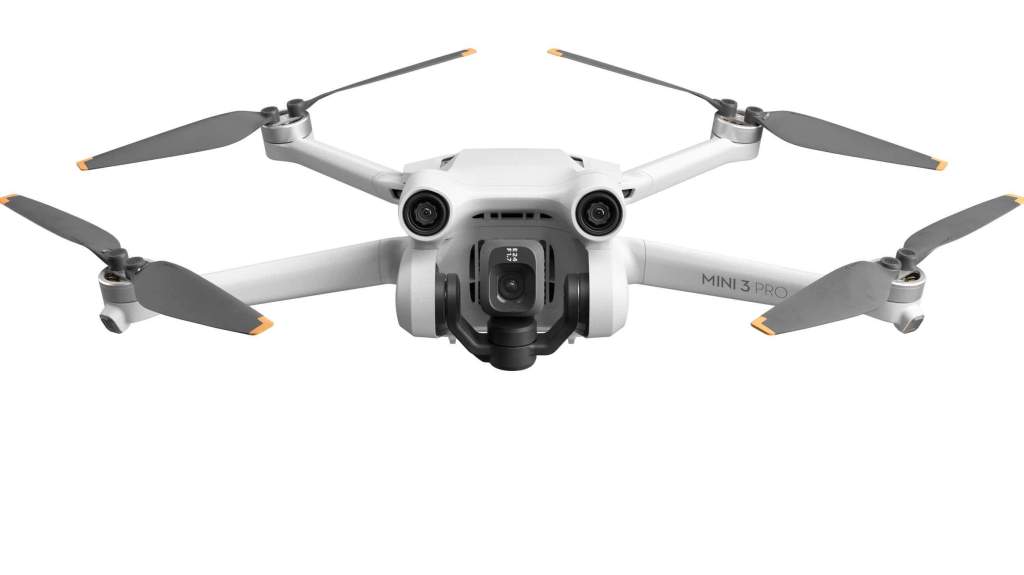
Enhancing Safety and Reducing Risk
Insurance professionals often face risky situations while conducting on-site inspections, especially in hazardous environments. Drones eliminate the need for people to enter dangerous spaces, ensuring their safety and reducing potential risks. This technological approach enhances workplace safety and minimises the chances of accidents during the assessment process.
Documentation
A picture is worth a thousand words, and in the insurance industry, it’s worth even more. Drones not only capture images but also record video footage. This documentation becomes essential evidence to substantiate insurance claims. Insurers can use these visuals to assess the extent of the damage, verify policy coverage, and communicate transparently with policyholders.
Remote Inspections and Accessibility
Drones have the unique ability to reach areas that are challenging for humans to access, such as rooftops or tall structures. These are generally difficult for contractors to reach and warrant planning and safety measures in place. This becomes particularly valuable during extreme weather events or natural disasters when physical inspections might be delayed or impossible. With drones, insurers can remotely survey the damage, initiating the claims process promptly.
Faster Claims Processing
Drones dramatically reduce the time required for claims processing. Rapid data collection and accurate assessments translate to quicker claim approvals, leading to enhanced customer satisfaction and retention. No brainer.
Data-powered Decision Making
Drones don’t just capture images; they generate detailed three-dimensional models and maps of the affected area (with post production). This data empowers insurers to make informed decisions by providing a comprehensive understanding of the damage. These insights facilitate faster and more accurate decision-making throughout the claims process.
Preventing Fraudulent Claims
Fraudulent claims are a concern for insurers. Drones play a pivotal role in tackling this challenge. By providing undeniable visual evidence of the actual damage, insurers can deter fraudulent activities and ensure that claims are paid only for legitimate losses.
Engaging Customer Experience
Transparency is key in the insurance world. Drones enable insurers to engage customers by sharing visual data and progress updates throughout the claims process. This communication builds trust and elevates the overall customer experience. To retain customers, be responsive and transparent.
Cost Efficiency
While investing in drone technology might seem significant at first, the long-term benefits are substantial. Cost savings from reduced manual inspections, faster claims processing, and accurate assessments far outweigh the initial investment.
Conclusion – Why should you use a drone operator for making insurance claims?
- Shortens the process
- Proving damage/ events taking place
- Various digital outputs (3D maps, Photographs, Videos) to be used as evidence.
- CAA approved drone operators have sat the necessary theory tests in order to perform inspections safely and legally.
T-Hathaway Aerial Photograpy
 T-Hathaway Aerial Photograpy