Photography is an amazing art that allows us to freeze a moment in time and preserve it forever. Whether you’re an amateur or a professional, understanding the best time to take photos can make a significant difference in the final result. Lighting conditions, weather, and the subject matter itself all play a role in creating that perfect shot.
Golden Hour:
One of the best times to capture breathtaking photos is during the golden hour. This period occurs twice a day, just after sunrise and just before sunset. The magical quality of light during this time casts a warm and soft glow that can transform ordinary scenes into extraordinary ones.
During the morning golden hour, the soft light can create a serene atmosphere. It’s an ideal time for capturing landscapes, portraits, and nature photography. The haze and mist that often accompany this time of day can add a touch of dreaminess to your images, making for great compositions.
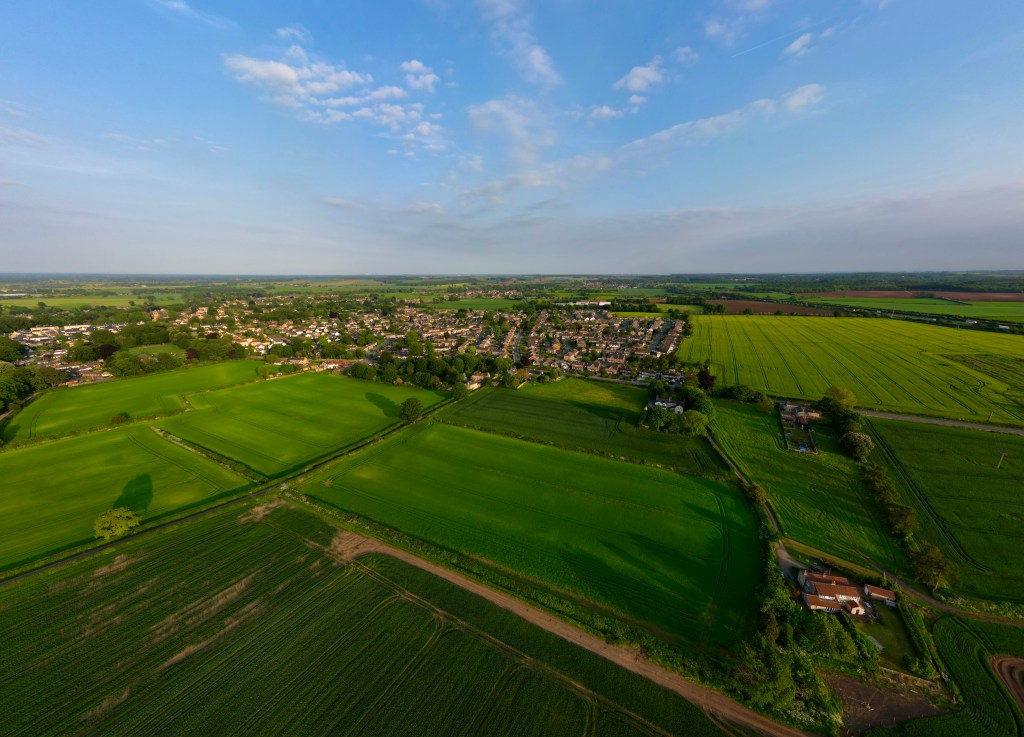
In contrast, the evening golden hour offers a richer, warmer, glowing light, casting long shadows and creating a certain feel. This time of day is particularly suited for capturing landscape photography, silhouettes, and architectural shots. The vibrant colors and dramatic lighting can add depth and interest to your compositions.
Chasing Light:
It’s essential to remember that there is no one-size-fits-all rule for capturing the perfect composition. Different subjects and scenes may shine under different lighting conditions.
- Bright Days: If you’re photographing subjects that require vibrant and vivid colors, such as fields of flowers or beach landscapes, midday under bright sunlight can be ideal. However, beware of hard shadows and overexposure. Try using ND filters (16/ 32/ 64) or positioning the glaring sun in the upper corners – it is difficult to find shade in the sky!
- Cloudy and Overcast Skies: Cloudy days can provide a soft and diffused light, minimizing shadows and creating a gentle atmosphere. This lighting condition works wonders for portraits, close-ups, or macro photography. Sometimes, clouds can be manipulated to create soft long exposure shots which have a beautiful
- Night Photography: Some scenes come alive in the dark. Experimenting with long exposures, cityscapes, astrophotography, or capturing the magical glow of urban lights can be an exciting challenge for any photographer.
Sensor Considerations:
It’s important to consider sensor size and sensor technologies for the lighting conditions we want to capture. Small drone sensors (1/2.3″ or less), which are near the size of midrange smartphone sensors, produce great results in great lighting conditions. However, this is not the case when we attempt to capture epic low light situations, where the camera will lose details in the shadows and highlights, and produce noise (as we will be using higher ISO values).
Larger sensors (1″ and above) equate to more flexibility in low light scenes, where pixels tend to be bigger, leading to sharper images (due to photosites principle). This means you’ll essentially be able to lower the ISO, and retain detail in the tricky areas without destroying the image.
T-Hathaway Aerial Photograpy
 T-Hathaway Aerial Photograpy