In recent years, drone technology has brought about a revolution in various industries, including construction.
Drone building surveys have emerged as a new approach for evaluating structures, boasting numerous advantages over conventional methods. This post delves into the merits of drone building surveys and draws a comparison with traditional assessment techniques.
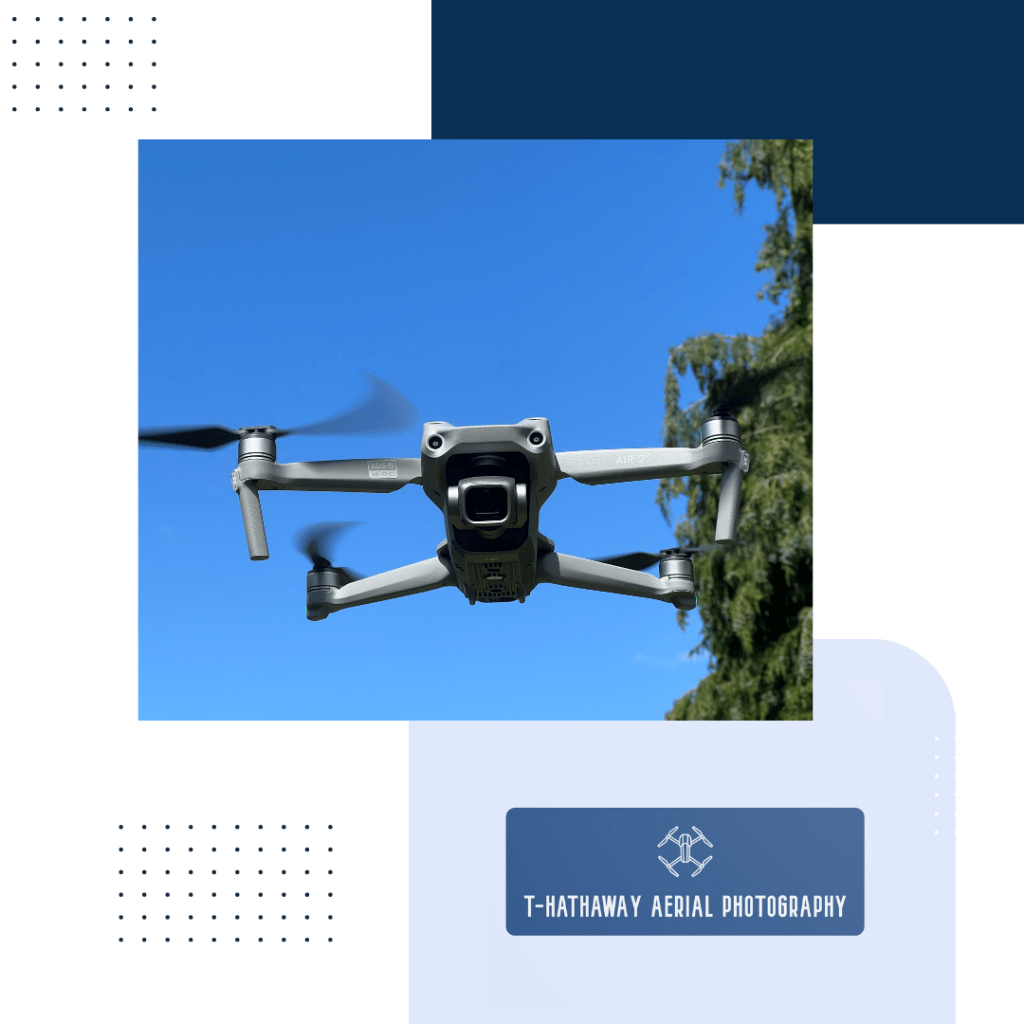
We provide Drone Building Surveys in Yorkshire
Advantages of Drone Building Surveys:
- Rapidity and Efficiency: Drones can swiftly capture high-resolution images and videos of buildings from multiple angles, obviating the need for manual data collection. This drastically reduces surveying time, allowing construction projects to progress at an accelerated pace.
- Precision and Accuracy: Modern drones are equipped with advanced sensors, cameras, and GPS technology, ensuring meticulous measurements and precise data capture. This eliminates the scope for human errors in measurements and provides dependable information for decision-making.
- Cost-Effectiveness: Traditional building surveys often necessitate hiring teams of surveyors and specialized equipment. Drone surveys require fewer personnel and resources, resulting in significant cost savings without compromising the quality of data collected.
- Enhanced Safety: Drones eradicate the need for surveyors to physically access hard-to-reach or perilous areas, reducing the risk of accidents and injuries. This is particularly advantageous for assessing tall structures, roofs, and other elevated locations.
- 360-Degree Visualisation: Drones can capture panoramic views and generate detailed 3D models of buildings, enabling stakeholders to remotely explore every facet of a structure. This immersive visualisation aids in comprehending the building’s condition and identifying potential issues.
Comparison with Conventional Methods:
- Time Efficiency: Drone surveys can cover larger areas in a shorter timeframe compared to traditional manual surveys. This is especially valuable for projects with tight schedules.
- Economical Benefits: Traditional methods involve higher labour and equipment costs. Drones necessitate fewer personnel and can complete surveys in a fraction of the time, resulting in substantial financial savings.
- Data Precision: Drones consistently capture accurate data, mitigating the chances of human errors. Traditional methods might be susceptible to inaccuracies in measurements and documentation.
- Safety Considerations: Drone surveys eliminate the need for surveyors to work at dangerous heights or in confined spaces, heightening overall safety on the construction site.
- Visual Documentation: Drones provide clear, high-resolution visuals, enabling stakeholders to meticulously assess the building’s condition without needing to be physically present.
Real-Life Applications:
- Construction Progress Monitoring: Drones can track construction progress by capturing images and comparing them to the initial design, assisting project managers in spotting disparities and making well-informed decisions.
- Structural Analysis: Drone surveys can detect defects, cracks, or other structural issues not easily discernible to the naked eye, facilitating timely maintenance and repairs.
- Damage Assessment: Drones play a pivotal role in evaluating damage after natural events, offering swift insights for insurance claims and disaster response planning.
Our conclusion:
Drone building surveys have revolutionised the construction industry by offering unparalleled efficiency, accuracy, and safety. Compared to traditional methods, drones provide a cost-effective, time-efficient, and comprehensive solution for evaluating buildings and structures. Embracing this technology empowers construction professionals to make well-informed decisions and streamline their projects for success.
T-Hathaway Aerial Photograpy
Drone Photography & Aerial Surveys | UK
 T-Hathaway Aerial Photograpy