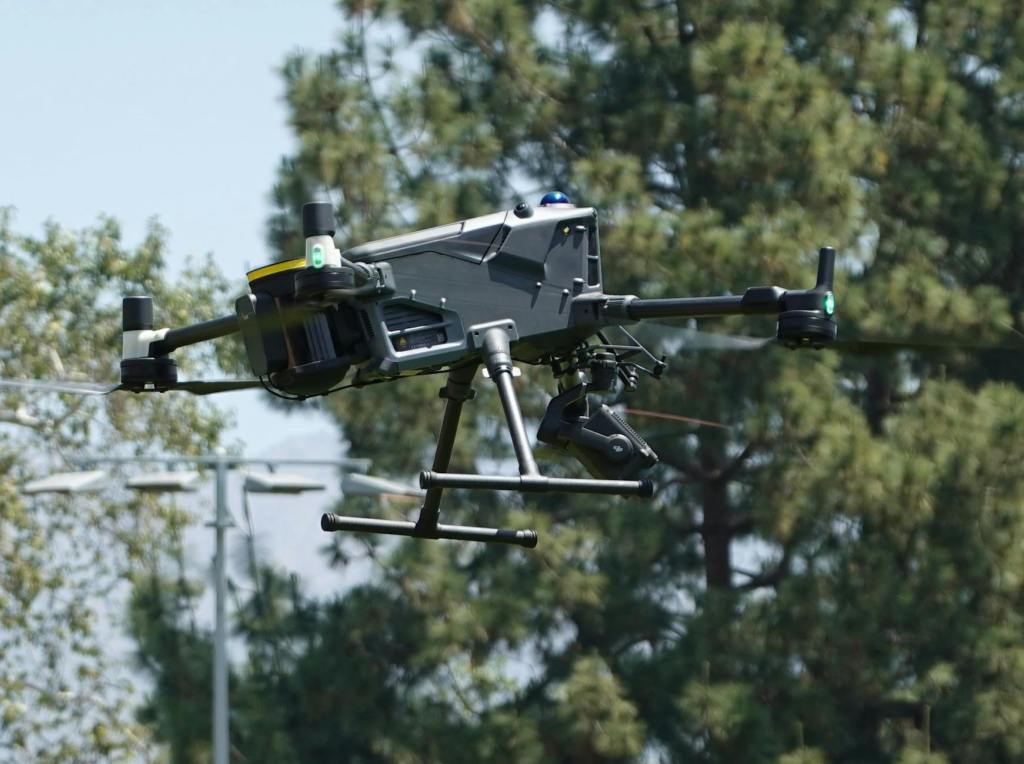
When it comes to inspecting buildings and roofs, getting eyes on the problem is half the battle. For surveyors and property managers, that usually means navigating a range of challenges: access restrictions, health and safety concerns, rising costs, and the pressure to produce accurate reports quickly.
This is where certified drone pilots are changing the game.
Far from being just gadget enthusiasts, today’s commercial drone operators are highly trained professionals who bring a unique set of skills, tools, and legal credentials to the table — and they’re fast becoming an essential part of modern property management and surveying workflows in the UK.
Let’s explore exactly why hiring a CAA qualified drone pilot is one of the smartest moves you can make when planning a building or roof inspection.

1. Access Hard-to-Reach Areas – Safely and Efficiently
Whether it’s a four-storey block of flats or a church steeple, traditional inspections often require scaffolding, MEWPs, or rope access. Not only is this expensive and time-consuming, but it also carries significant health and safety risks.
CAA qualified drone pilots can safely inspect:
- Roofs (flat and pitched)
- Chimneys and parapets
- Guttering systems
- Façades, cladding, and windows
- Valleys, flashing, and solar panels
— all without setting foot on a ladder.
Using drones, you get high-definition imagery from every angle with zero working-at-height risks and no disruption to tenants or businesses.
2. Trained, Certified, and Fully Insured
In the UK, drone operations for commercial purposes must comply with Civil Aviation Authority (CAA) rules. Certified drone pilots hold credentials such as:
- A2 Certificate of Competency (A2 CofC) or General Visual Line of Sight Certificate (GVC)
- An up-to-date Operator ID and Flyer ID
- Commercial drone insurance under EC Regulation 785/2004
This ensures your inspection is carried out legally, safely, and with public liability cover in place — crucial for any professional project, especially in urban areas or near occupied buildings.
Hiring a cowboy with a hobby drone isn’t just risky — it could leave you legally liable if things go wrong.
3. Capture High-Resolution, Actionable Data
Modern drones used by professional operators aren’t your average off-the-shelf models. We’re talking about platforms like the DJI Mavic 3 Enterprise, Matrice series, or Mini series — packed with:
- 4K/20MP cameras
- Zoom lenses to spot issues without getting too close
- Thermal sensors for identifying heat loss, leaks, or damp
- RTK modules for precise GPS accuracy (great for mapping)
These tools allow surveyors to identify:
- Missing or slipped tiles
- Cracked render or pointing
- Gutter blockages
- Damaged flashings
- Water ingress or pooling
… all with pinpoint detail, often far superior to what can be captured from scaffolding or the ground.
4. Quicker Turnarounds, Lower Costs
Let’s be honest — scaffolding a building to inspect a suspected issue can cost thousands, and it often turns out to be unnecessary. A drone inspection can be completed in under an hour, with media and outputs ready within 24–48 hours.
This rapid workflow allows:
- Faster diagnosis and repair planning
- Immediate evidence for insurance claims or tenant disputes
- Proactive asset management (before small problems become big ones)
In many cases, the cost of a drone inspection is a fraction of traditional methods — with no compromise on safety or quality.
5. Useful for a Range of Property Types
Certified drone pilots can assist with inspections across almost any kind of structure, including:
- Residential blocks
- Commercial premises
- Historic or listed buildings
- Schools and public buildings
- Warehouses and industrial sites
- Farms and agricultural properties
In sensitive environments — like heritage properties or schools — a drone pilot will conduct a full risk assessment and flight plan, ensuring the inspection is carried out with minimal disruption and maximum care.
6. Data Presented Professionally and Ready for Reports
Many drone operators go beyond just handing over a bunch of photos. You’ll often get:
- Annotated inspection reports
- Cloud-based delivery with galleries and download links
- Thermal overlays or 3D models, if needed
- Time-stamped photos suitable for insurance or maintenance planning
Professional pilots know what surveyors and property managers need. They’re not just capturing images — they’re capturing evidence that’s ready to drop into your report or hand to a contractor.
7. They Understand Construction and Building Context
The best drone operators don’t just fly drones — they understand buildings. Many have backgrounds in construction, surveying, engineering, or facilities management. This means:
- They know where to focus (valleys, flashing, gutters, coping stones, etc.)
- They understand terminology and scope requirements
- They’re collaborative and communicate clearly
So, instead of explaining what you need three times, you’ll be working with someone who already speaks your language.
8. Ongoing Monitoring and Asset Management
Some surveyors and teams now use drones for regular condition monitoring. With repeat drone inspections, you can:
- Track roof deterioration over time
- Monitor the effects of weather, age, or repairs
- Maintain a visual record for audit trails and asset registers
This proactive approach to building management is already being adopted by housing associations, local authorities, and large commercial landlords across the UK.
Final Thought: A Smarter Way to Inspect
Certified drone pilots are not just a tech trend — they’re transforming how we inspect and manage buildings. With rapid access, superior data, and a safer, more cost-effective approach, they’ve become an essential tool for modern surveyors and property managers.
In a world where time, safety, and accuracy matter more than ever, partnering with a professional drone operator is not just a good idea — it’s the future of inspections.
Want help with your next building or roof inspection?
Get in touch with a certified drone specialist who understands your needs and delivers the insights you rely on — quickly, safely, and professionally.
Contact us for more info
T-Hathaway Aerial Photograpy
Drone Photography & Aerial Surveys | UK
 T-Hathaway Aerial Photograpy