Polarisation is a phenomenon related to light and photography.
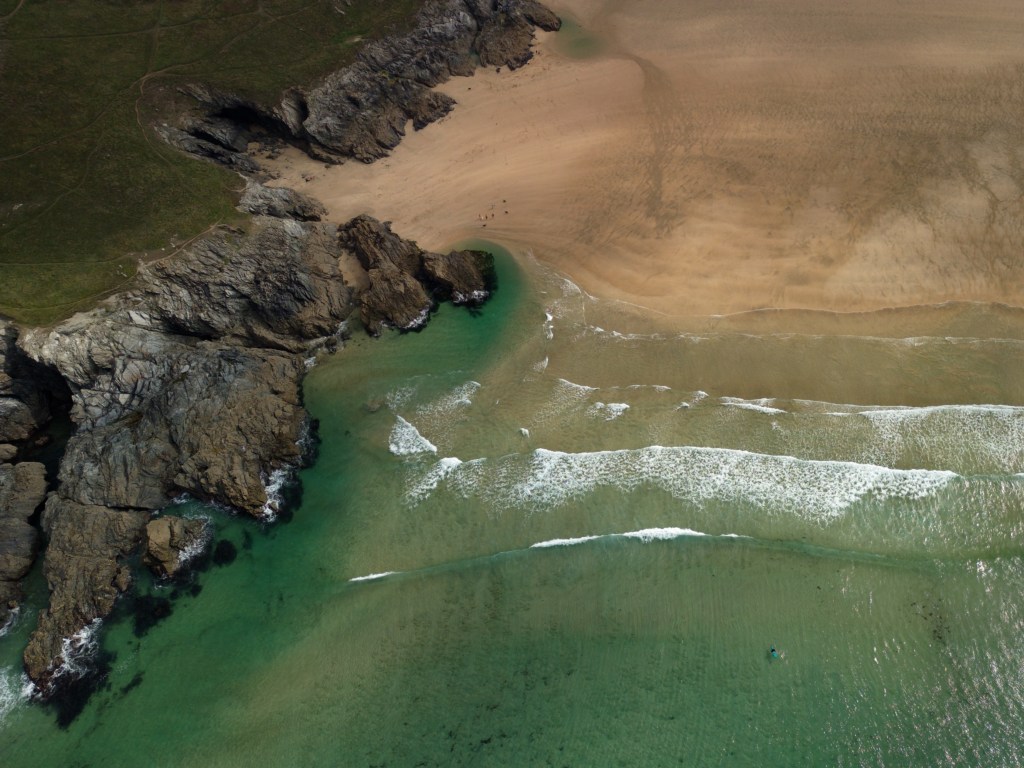
Polarisation
Light behaves as a wave, oscillating in various directions simultaneously. Polarising filters selectively allow light to pass through only if its oscillations align with the filter’s orientation. This results in light emerging with a restricted direction of oscillation.
Polarised lenses, commonly found in sunglasses and camera filters, excel at reducing glare. When light reflects off horizontal surfaces like roads or water, it becomes horizontally polarised. Vertical polarising lenses can effectively block this glare while permitting desired light to pass, improving visibility and comfort.
This is the reason why surfaces look “different” when you change direction and orientation relative to a subject.
Testing Polarised Sunglasses
To check if your sunglasses are polarised, perform a simple test: observe a reflective surface, then rotate the glasses by 90 degrees. If the glare disappears and reappears as you turn the glasses, they are indeed polarised.
The Chromatic Effects of Polarisation
Transparent materials can introduce chromatic effects in polarisation. As light passes through, its polarisation direction may change, affecting different colours to varying degrees. Placing these materials between two polarising filters results in colour separation. The first filter allows specific polarised light to pass, and after passing through the material, only light with the same polarisation direction as the second filter emerges.
Polarisation in LCD Screens
Liquid Crystal Displays (LCDs) use polarised light. When viewing an LCD screen through a polarising filter, rotating the filter can make the display appear and disappear, demonstrating the fundamental role of polarisation in modern technology.
For Photographers
By using a polarising filter, photographers can effectively reduce unwanted reflections from non-metallic surfaces, such as water or glass, and enhance the overall clarity and colour saturation of their photographs. This filter can also deepen the blue tones of the sky, making it appear more vibrant and dramatic.
T-Hathaway Aerial Photograpy
Drone Photography & Aerial Surveys | UK


 T-Hathaway Aerial Photograpy